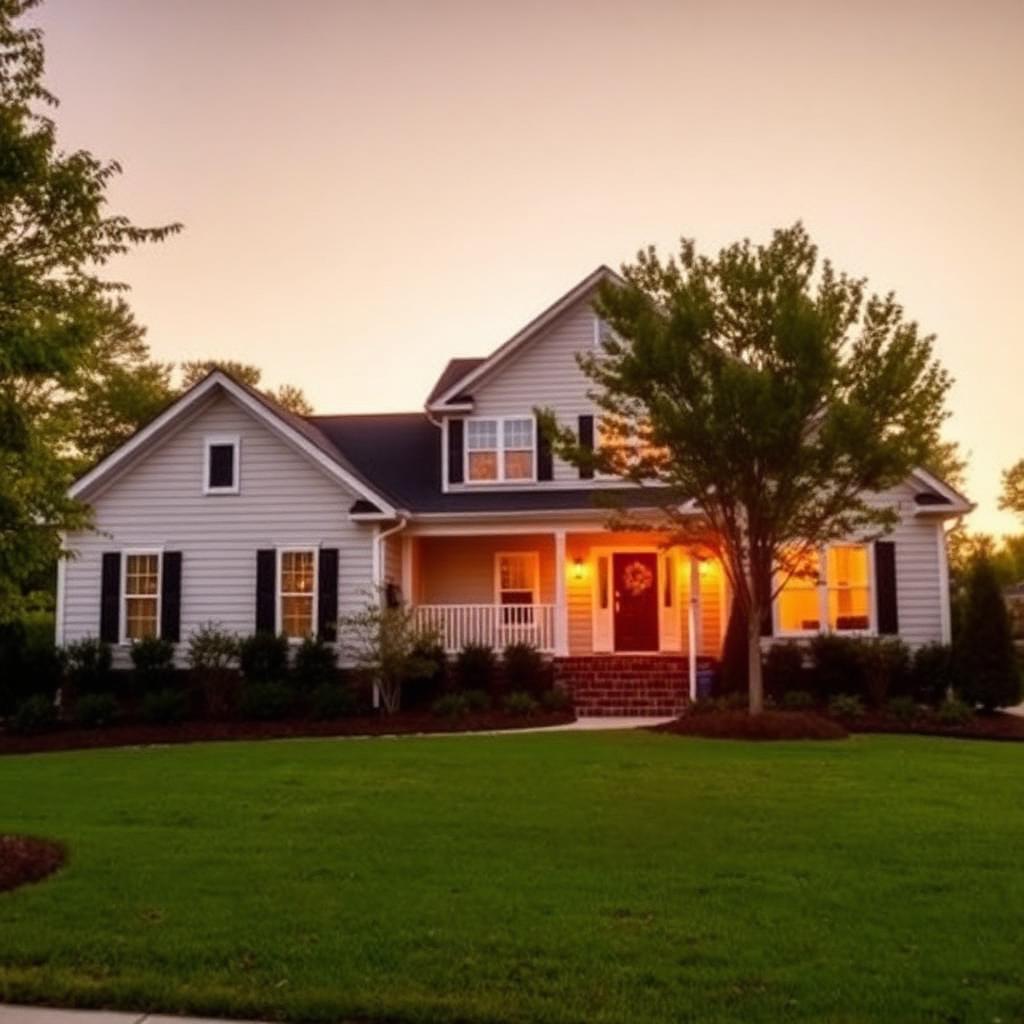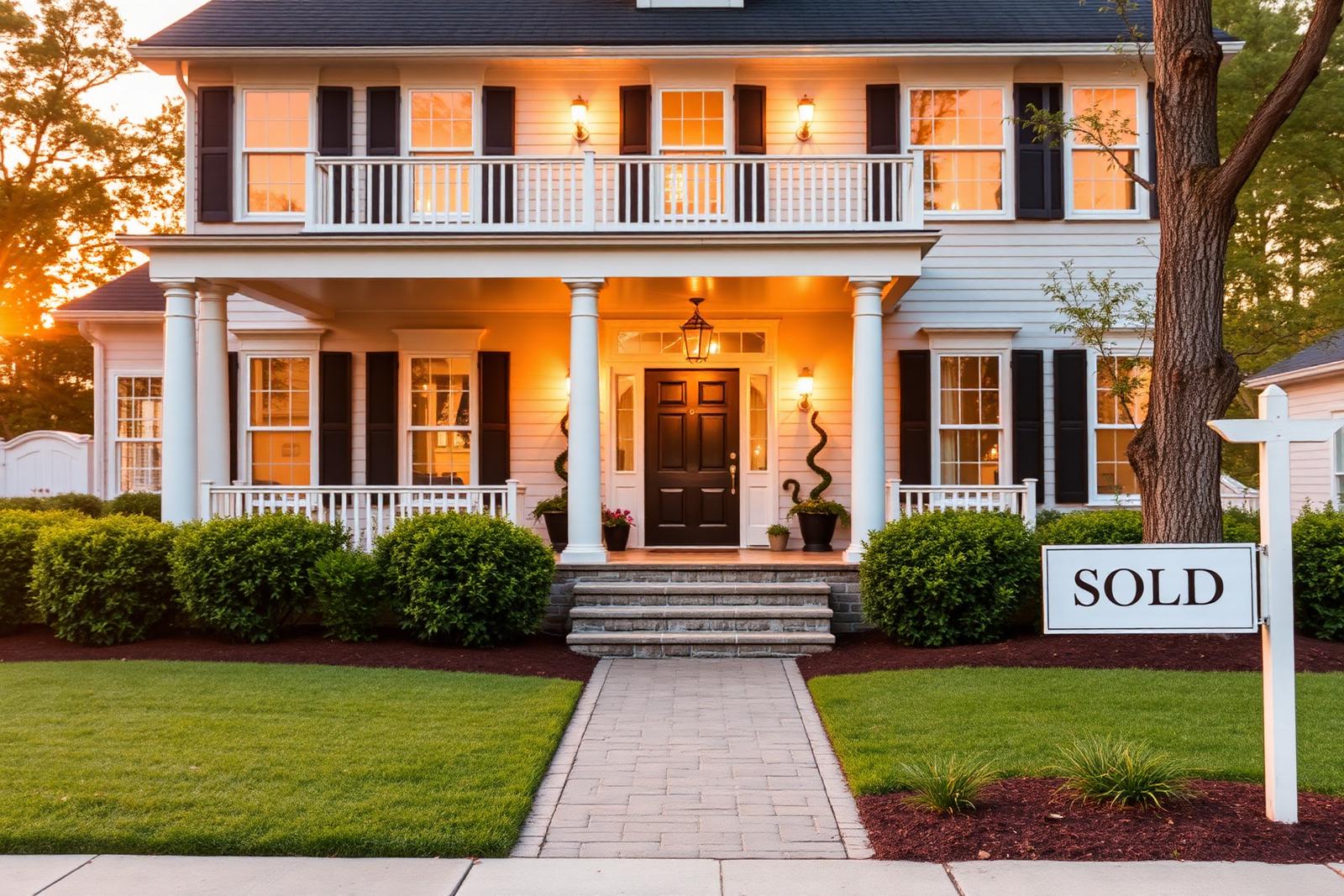
An open house looks like a casual walkthrough. Behind the scenes, it's a strategy — and knowing what the agent knows changes how you shop.
An open house feels casual to a buyer — sign in, walk through, grab a flyer. To the agent hosting it, it's a carefully planned event with goals that have very little to do with you finding your dream home.
The first thing an agent knows is why the open house is happening. Sometimes it's genuine buyer demand. Just as often, it's to show the seller activity, to collect buyer leads, or to justify a price the market hasn't accepted yet.
The second thing is what the house is hiding. Lighting, air fresheners, staged furniture placement, and background music are all doing work. Open the closets, look at the ceilings, check water pressure, and step outside to look at grading and drainage.
The third thing is the traffic pattern. A busy open house with real buyers writing offers looks very different from one with neighbors and browsers. If you ask how many groups came through, you'll learn a lot about where negotiation stands.
The fourth thing is who the agent represents. The friendly host at the door works for the seller. Anything you say about your budget, timeline, or how much you love the house becomes negotiating information.
That's why I tell buyers to tour with their own representation — or at minimum, to keep their reactions to themselves until they're back in the car. Enthusiasm is expensive at an open house.
If you're shopping in the Research Triangle or the North Carolina mountains and want someone in your corner reading the room for you, I'd be glad to help. I'm Clem Satterfield with Cottage Realty.
FAQ
Frequently asked questions
Why do sellers hold open houses?
+
Sometimes for genuine buyer exposure, but often to show the seller activity, generate buyer leads for the hosting agent, or support a list price the market hasn't validated yet.
Does the open house agent represent me?
+
No. Unless you've signed a buyer agreement with them, the host works for the seller. What you share about your budget, timeline, or interest level can be used in negotiation.
What should I actually look at during an open house?
+
The things staging hides: closets and storage, ceilings and around windows for water stains, water pressure, HVAC age, noise, and how the lot drains. Photos rarely show any of it.
Ready to talk?
Let's position your home where opportunity lives.
If you're considering selling — or buying — in the Research Triangle or the NC Mountains, I'd love to build a customized strategy for your property.